Guides, insights, and best practices for call tracking and lead management from TrackDrive.
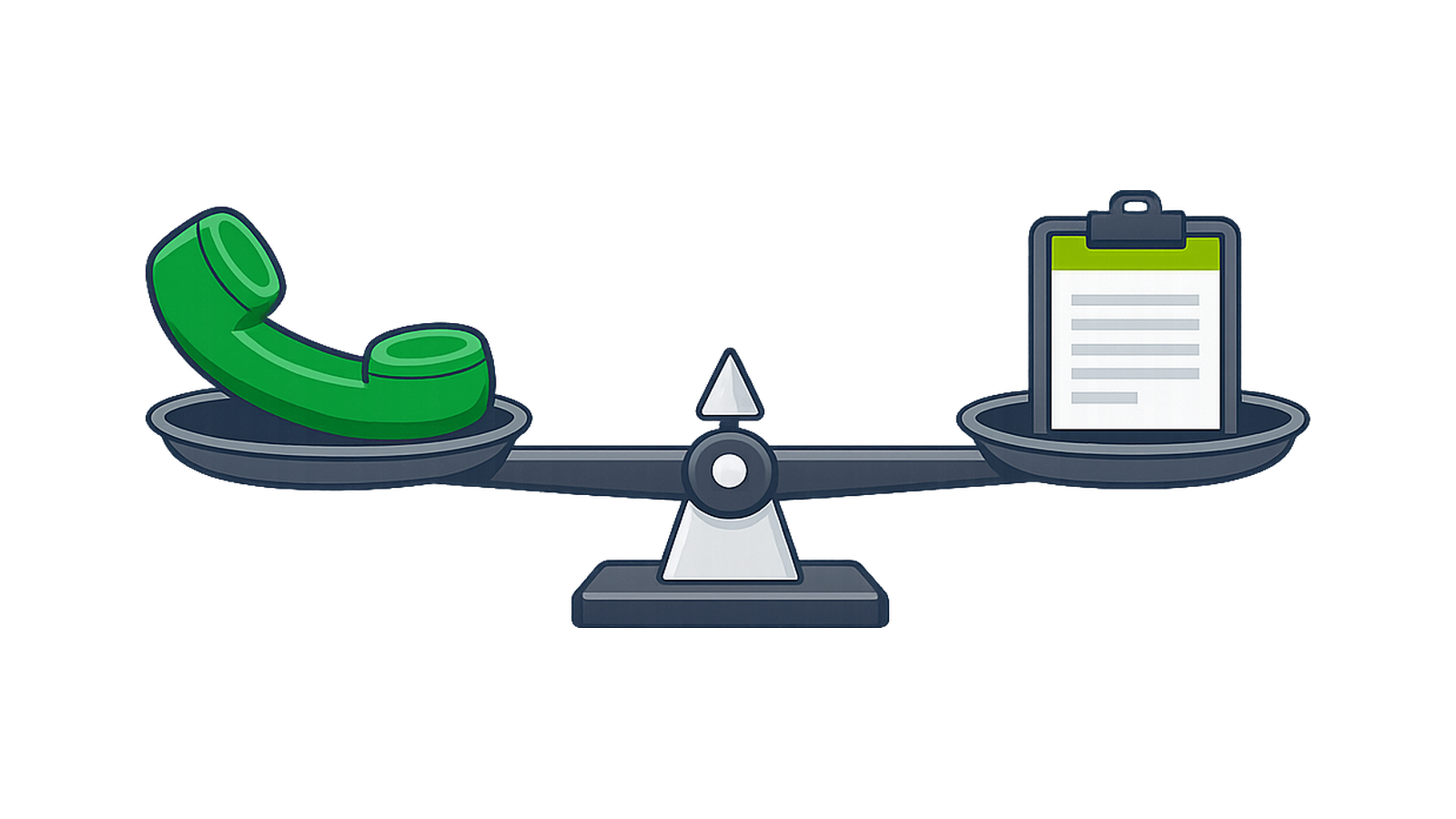
Pay per call pays for a conversation. Pay per lead pays for a form fill. Here's what each model pays for, when the payout triggers, who carries the risk, and when each one fits.
A Jornaya LeadiD is made on a web form, and a phone call doesn't carry it. Here's how the record reaches an inbound call, what a litigator scrub adds, and who keeps the record.
Inbound call routing decides which buyer gets each call. Here's what gets checked first, the three ways the buyer is picked, and what happens when nobody can take the call.
Most insurance call tracking advice assumes an agency tracking its own ads. Here's how insurance calls are tracked when they're bought and sold: licensed states, billable duration, caps around enrollment windows, and disputes.
Call scrubbing has two meanings: removing Do Not Call numbers before a dial, and disputing a bad call after it. Here's each one, and where TrackDrive's tools start and stop.
AI call transcription reads every recorded call for you. Here's what happens after the call ends, what the AI adds to the transcript, how calls get tagged, and what it costs.
TrackDrive and Retreaver side by side, for operators who already run calls: the prices both companies publish, where each platform is stronger, and what to check before you move.
A webhook sends call data to your CRM the moment something happens. Here's what can trigger one, what goes in the request, and one worked example.
A call tracking system is more than a tracking number. Here are its eight parts, what counts as a conversion, and six levers to test on the calls you already get.
Inbound call tracking tells you which publisher, campaign or ad sent every call. Here's how tracking numbers work, what gets recorded, and what you see for each call.
A voice agent can answer a call, ask your qualifying questions and hand a ready caller to a person. Here's how TrackDrive connects one from your own provider, and which routing rules apply.